Discover our rich history, mission, and commitment to theological education
Our purpose, our direction, our commitment
SFTC aspires to be a center of excellence in theology and development studies, committed to global proclamation of the Word of God and transformative engagement with society.
The mission of SFTC is to educate and equip theologians through rigorous academic training, spiritual formation, and research, enabling them to serve the Ethiopian Orthodox Tewahedo Church and society.
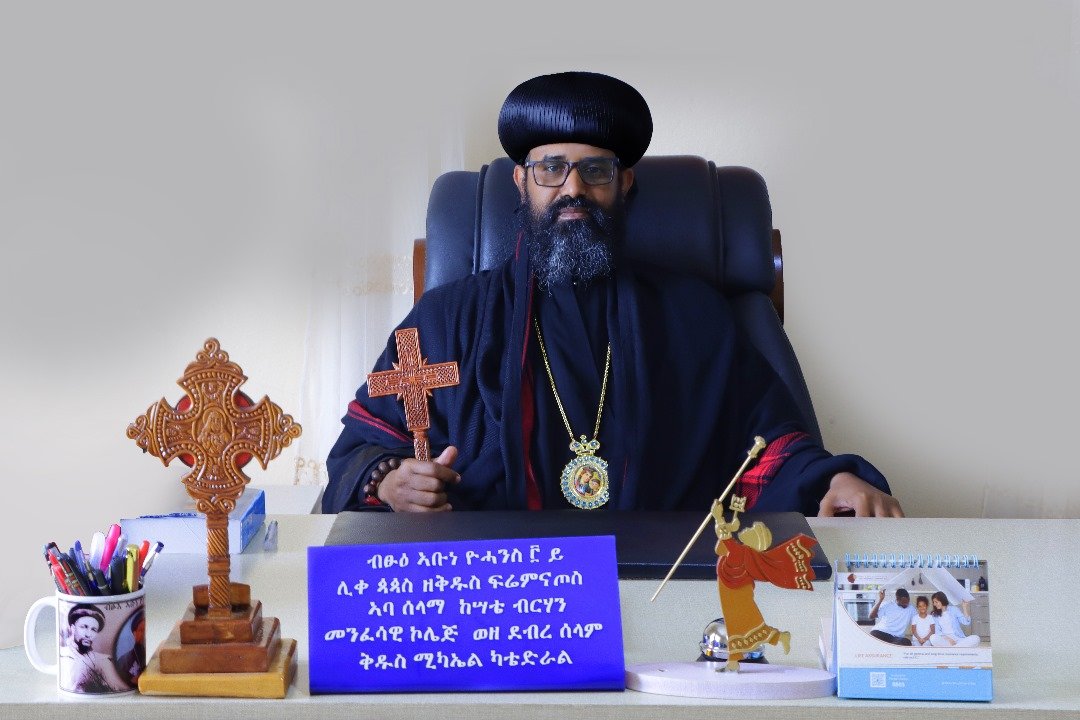
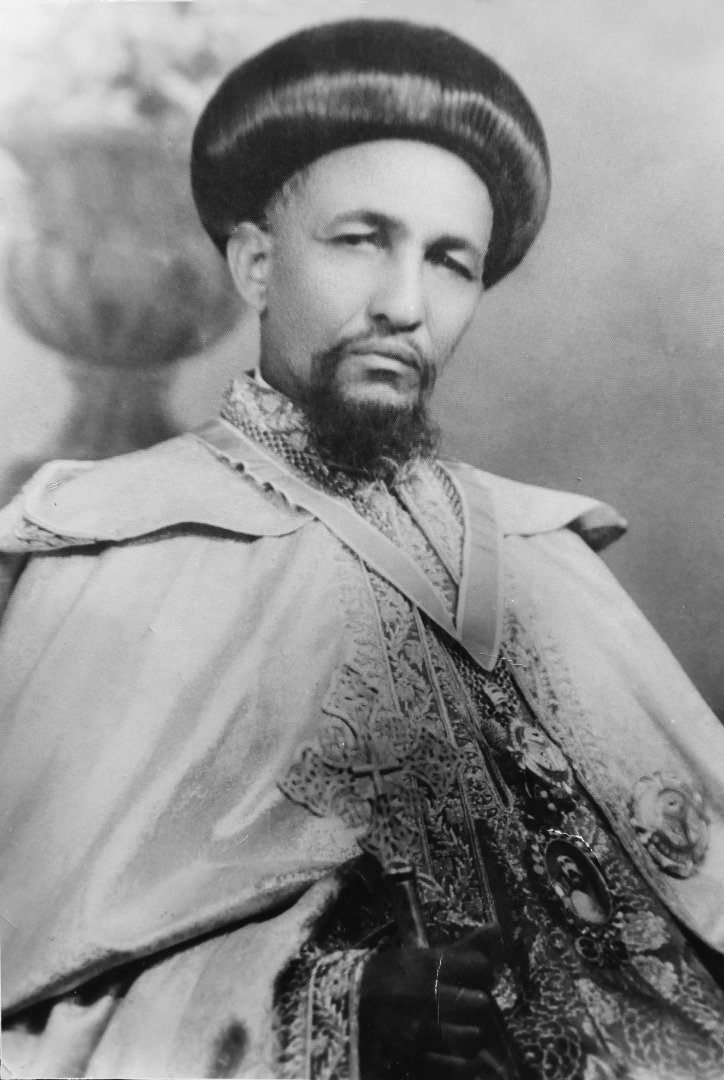
St. Frumentius Theological College (SFTC) was established under the auspices of Abune Yohannes, the Archbishop of Tigray and Axum, with the aim of providing theological education and training for clergy within the Ethiopian Orthodox Tewahedo Church (EOTC). The college is located on a 150,000 square meter campus and is named "Kessate Berhan Selama," which translates to "revealer of light and the father of peace," honoring St. Frumentius, the first Archbishop of Ethiopia.
The college's inauguration took place, officiated by His Majesty, Emperor Haile Selassie I, alongside His Beatitude, Abune Yohannes. An initial attempt to train 40 clergy members was short-lived, as classes were suspended after just one year due to a lack of funding.
The college was repurposed into an orphanage and an elementary school to provide for the local community's needs.
In response to a decision by the Holy Synod of the EOTC to establish five training centers, SFTC was reestablished as a theological training institution. From then until 1989, the college successfully trained approximately 50 traditional church scholars annually.
Training activities were suspended due to the socio-political turmoil in Ethiopia. During this turbulent period, many scholars were required to transfer to the Holy Trinity Theological College in Addis Ababa, and the Dergue regime confiscated portions of the college's property, leading to a significant loss of church control.
A turning point occurred when, through the dedicated efforts of His Holiness Abune Paulos, Patriarch of the Ethiopian Orthodox Tewahedo Church, along with the Holy Synod, the EPRDF transitional government recognized the college's historical and educational significance.
Ownership of the college was restored to the EOTC, and on October 15, 2000, it was officially ratified and approved by the Holy Synod and His Holiness Abune Paulos.
Principles that guide our faith, scholarship, and service
SFTC emphasizes a commitment to serving God above all, embodying Christian values and ethics in all aspects of life.
Core principles include generosity, compassion, honesty, grace, and ethical communication. The college encourages students to engage in conduct that reflects biblical teachings.
All activities at SFTC are grounded in honesty and moral integrity, ensuring that the institution operates ethically in every dimension.
SFTC prides itself on delivering high-quality educational outputs, with the belief that the quality of graduates and institutional findings is indicative of the overall performance and commitment to excellence.
SFTC values a diverse learning environment, reflecting the multitude of parishes that make up the EOTC, while maintaining allegiance to biblical authority.
The College strongly emphasizes critical thinking and intellectual inquiry, pursuing excellence in scholarship as a means of honoring God through the application of the mind to theological reflection and Tradition.
SFTC aims to cultivate graduates who exemplify Christ-like qualities of servant leadership, humility, and compassion, aimed at impacting the world positively through the Gospel.
The College is dedicated to fostering an environment of academic freedom, allowing for the exploration and discussion of various subjects within the frameworks of theological norms and scholarship.
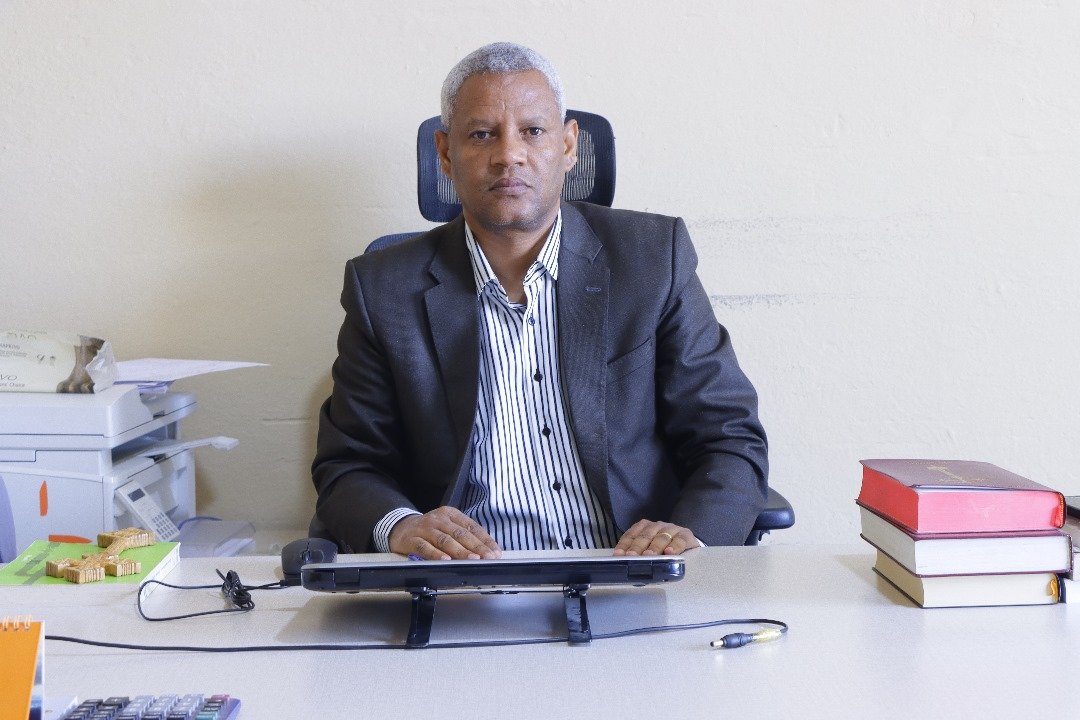
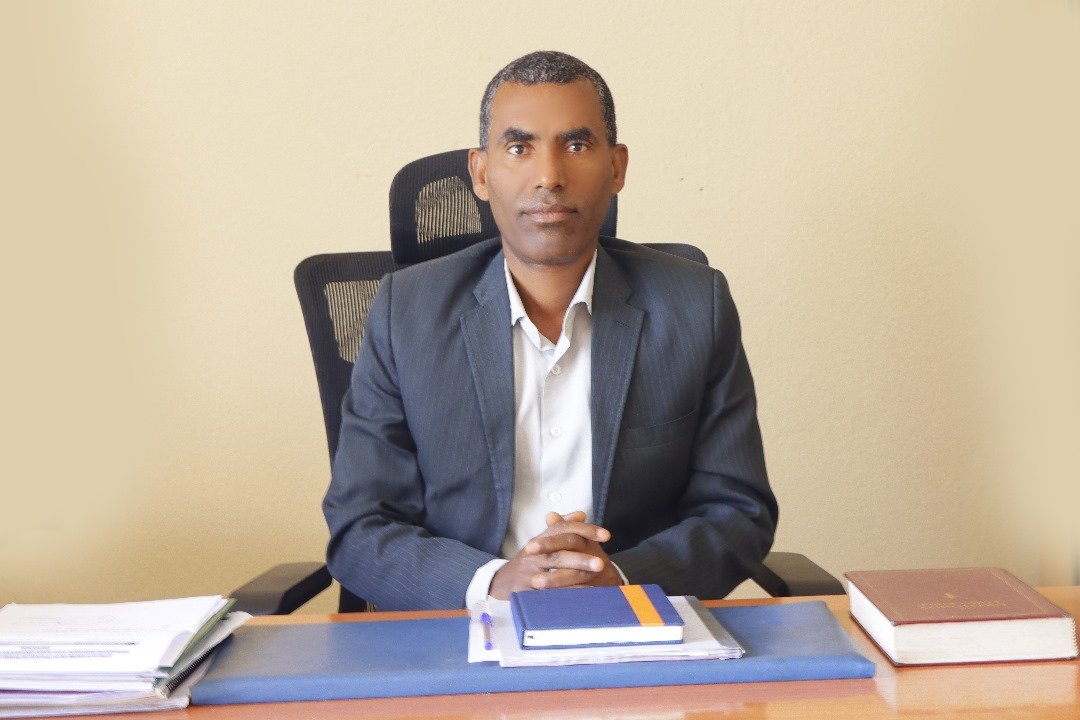
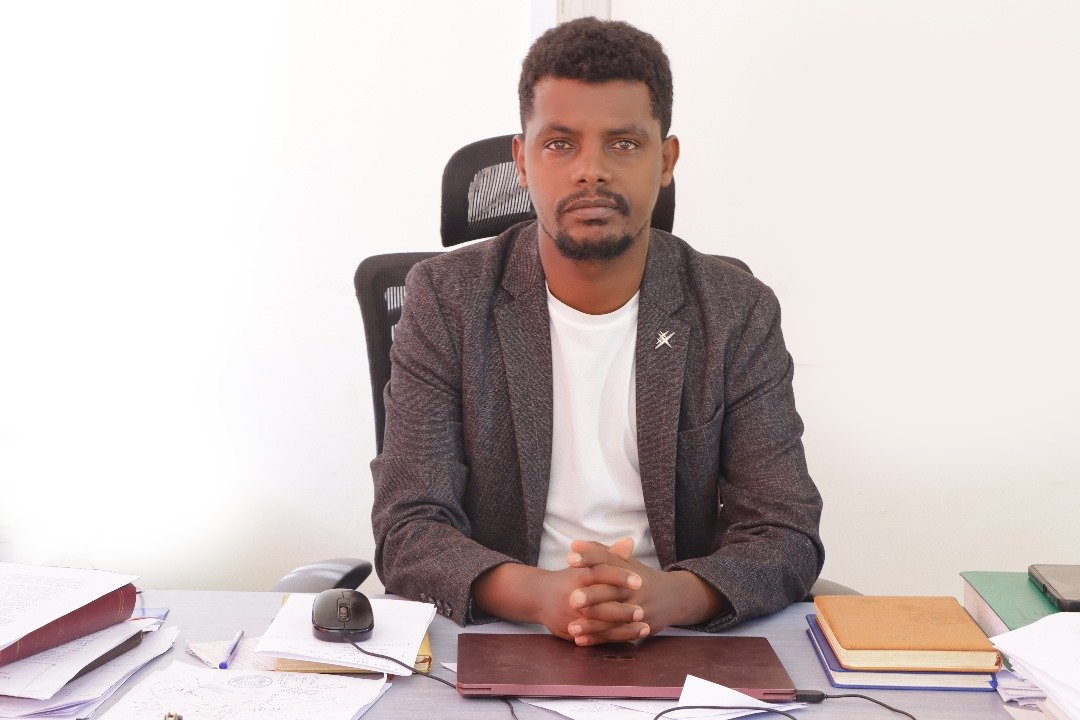
Meet the leadership guiding St. Frumentius Theological College in its academic, spiritual, and administrative mission.
Archbishop of St. Frumentius Theological College
& St. Michael Cathedral
Dean of St. Frumentius Theological College
Administrative Vice Dean
Academic Vice Dean
"The purpose of theology is not to fill the mind with knowledge, but to open the heart to God's presence and transform lives through divine wisdom."